How to Handle HVAC Emergencies During Wheat Ridge's Winter Season
Published: 2026-04-30 · By MaxFlow Heating and Air Conditioning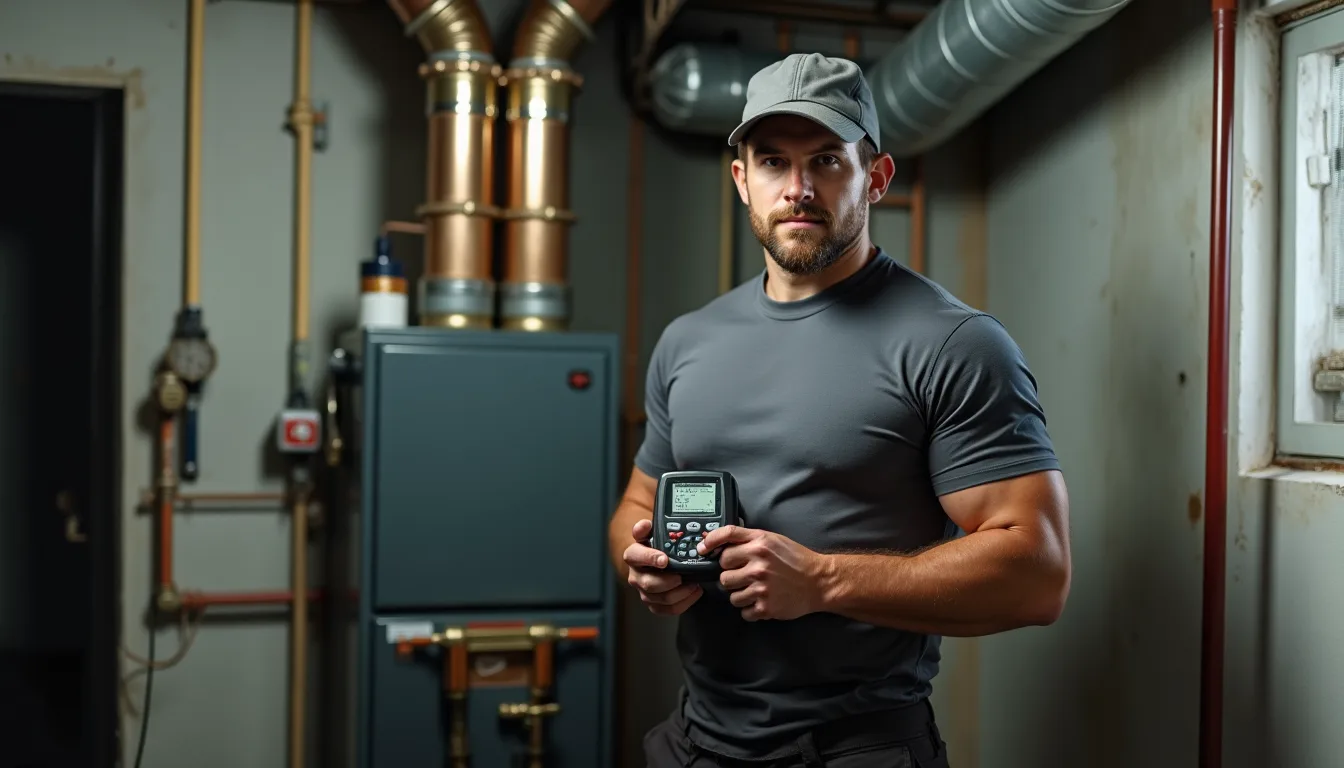
As the winter chill settles over Wheat Ridge, the beautiful snowscapes might hide a looming reality—your HVAC system could be on the brink of failure. Imagine coming home after a long day only to find that your heater has gone cold, leaving you to face the bitter temperatures outside. With rapid temperature swings, the importance of keeping your heating system in check is paramount. In the coming months, understanding how to address HVAC emergencies can save you time, money, and discomfort as you navigate through Wheat Ridge's unpredictable winter weather.
Why This Matters for Wheat Ridge Homeowners
Wheat Ridge homeowners are often unprepared for the unique challenges of winter HVAC emergencies. The combination of heavy snow melting in spring and the strain of freeze-thaw cycles puts immense pressure on heating systems. With homes built on expansive clay soils, inefficient drainage can lead to complications such as flooding and mudslides, which can damage your HVAC units. Moreover, hail storms can inflict costly repairs that go unnoticed until the snow disappears.
Understanding the signs of an impending HVAC failure is crucial. Neglecting to service your heater or ignoring warning signs may not just leave you chilly; it could lead to expensive repairs or even a complete system replacement. Given that your home is your sanctuary during the winter months, being educated upfront can prevent headaches down the line.
Expert Solutions & Actionable Tips
1. Regular Maintenance Checks
Scheduling regular maintenance checks for your HVAC system can dramatically reduce the risk of breakdowns. An annual inspection generally costs between $100 and $200 and can catch issues before they evolve into emergencies. In Wheat Ridge, where winters can be fierce, a well-maintained system is your best defense against unexpected failures.
2. Emergency Contact List
Your HVAC emergency contact list should include MaxFlow Heating and Air Conditioning. Keeping this list handy ensures that when an issue arises, you can reach out immediately and not waste precious time searching for help. Carve out a space in your phone for quick access to MaxFlow at (719) 223-5774.
3. Temperature Monitoring Systems
Investing in a temperature monitoring system can alert you when temperatures drop unexpectedly in your home. This additional layer of protection might cost around $50 to $200 depending on the model you choose. By proactively staying informed, you can avert potential HVAC emergencies before they escalate.
4. Keep Vents Clear
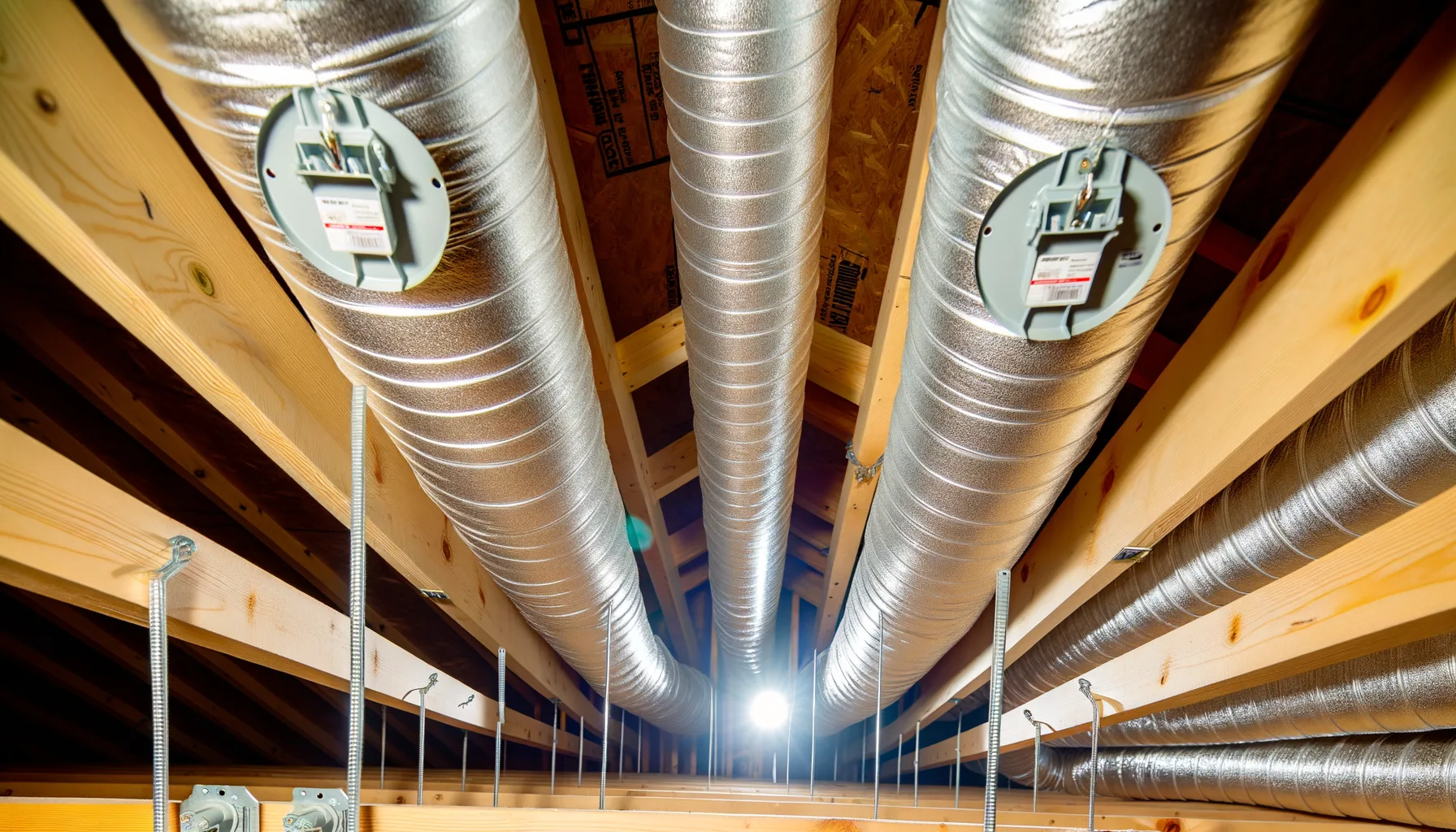
Regularly check and clear vents and registers to ensure optimal airflow. Blocked vents can cause strain on your unit and result in higher heating bills. As snow and debris pile up near your home, it's crucial to keep a close eye on the accessibility of your HVAC vents. Neglecting this can lead to system failure in the peak of winter.
5. Monitor Humidity Levels
In Wheat Ridge, humidity levels can fluctuate significantly; keeping an eye on indoor humidity can help prevent HVAC strain. Installing a hygrometer can cost around $30, enabling you to maintain an optimal humidity level of about 30-50%—a balance that keeps your HVAC running smoothly.
6. Know Your System’s Age
Understanding the age of your HVAC system is essential for planning future upgrades and maintenance. Many units last 10 to 15 years, and knowing when your system is nearing the end of its lifespan allows you to budget effectively. If your system is approaching or has exceeded this mark, it might be time to consult a professional to discuss replacement options.
Wheat Ridge Climate & Local Context
Wheat Ridge experiences a highly variable climate, where homeowners face the dual pressures of snow in winter and rapid snowmelt in spring. This fluctuation leads to significant structural stress due to freeze-thaw cycles, which can directly impact your HVAC system. Local building codes requiring adherence to specific drainage systems can also affect how one should treat HVAC emergencies. Being aware of surrounding regulations is crucial to ensure compliance—and safety.
Furthermore, many homes in Wheat Ridge are built on expansive clay soils that can shift during the freeze-thaw cycle, complicating drainage and affecting nearby HVAC installations. Consequently, it’s vital for homeowners to invest in resilient HVAC solutions designed with the local landscape in mind.
When to Call a Professional
When considering whether to DIY or call in a professional, understanding your capabilities is critical. For straightforward tasks, like replacing HVAC filters or clearing debris from outdoor units, you may handle it yourself. However, there are instances when professional assistance is not just recommended but necessary.
- Unusual noises coming from your HVAC system.
- Unexplained increases in energy bills.
- Your heater is more than 15 years old.
- Inconsistent temperatures throughout your home.
- Unpleasant odors emitting during operation.
If you encounter any of these warning signs, reaching out to experts like MaxFlow Heating and Air Conditioning should be your immediate next step. Their skilled technicians have the local know-how to tackle HVAC issues effectively in Wheat Ridge's unique environment.
Frequently Asked Questions
What should I do if my heating system stops working?
First, check your thermostat settings and ensure it's set to 'heat.' If everything looks normal, contact MaxFlow Heating and Air Conditioning for prompt assistance.
How often should I have my HVAC system serviced?
It's recommended to have your HVAC system serviced at least once a year, ideally before winter to ensure it’s in top working condition.
Are there any zoning regulations I should know about?
Yes, Wheat Ridge has specific zoning regulations regarding HVAC installations, especially concerning drainage issues due to the local soil conditions.
What is the cost of an emergency HVAC repair?
Emergency repairs can range from $150 to over $500, depending on the issue and parts needed. It’s best to get an estimate beforehand.
Can I avoid HVAC emergencies altogether?
While it’s impossible to prevent all emergencies, regular maintenance and timely repairs can significantly reduce your risk of facing a critical situation.
Get Expert HVAC Service in Wheat Ridge
Don't let HVAC emergencies ruin your winter! Stay ahead of the game by preparing your heating system now. For professional assistance, call (719) 223-5774 and let MaxFlow Heating and Air Conditioning be your go-to HVAC experts in Wheat Ridge.
Your comfort is just a call away—reach out today!